

INDUSTRY NEWS AND INSIGHTS

  • All Articles
  • Construction Management
  • Engineering
  • Meet T&M
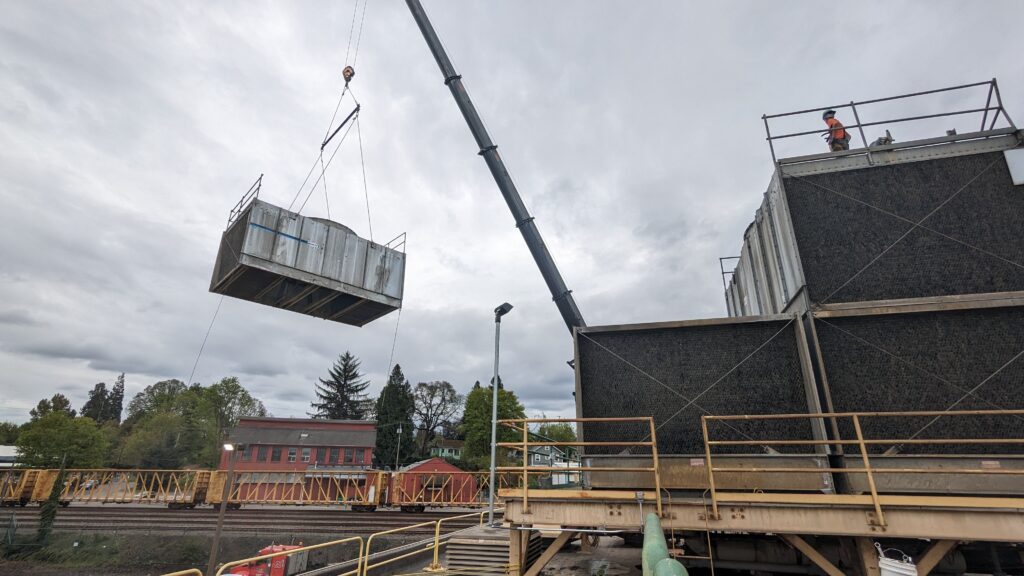
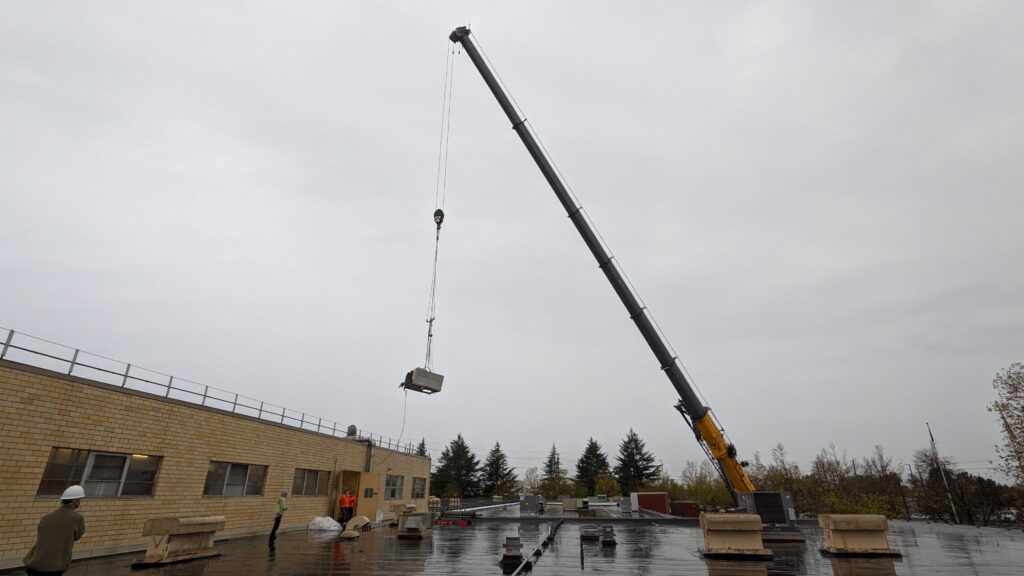
Large crane lifting commercial oven unit away from a food processing facility
February 5, 2026

Industrial Equipment Decommissioning

Case Study

Industrial Equipment decommissioning project

CLIENT OVERVIEW

This high-volume bakery produces packaged snacks in a continuous manufacturing environment. Sanitary conditions and uninterrupted production are essential to meeting food safety standards and production targets.
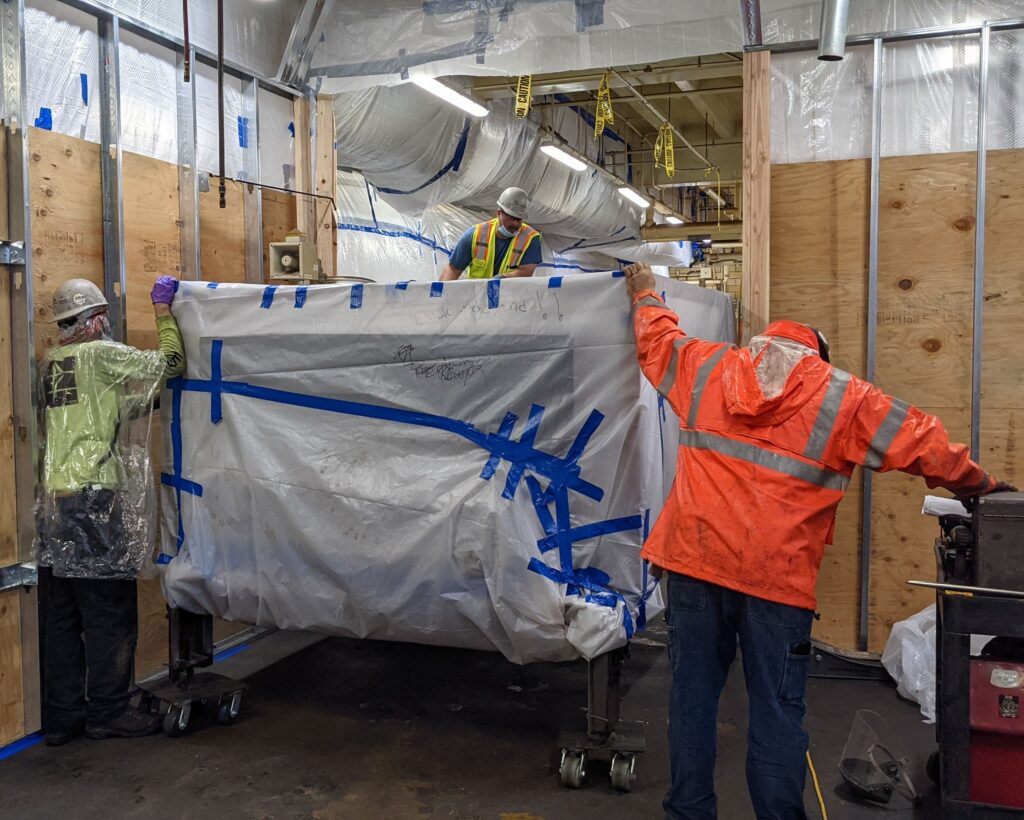
Two workers in a food production facility working to get a decommissioned oven removed

THE CHALLENGE

The bakery had idle equipment occupying valuable floor space needed for future capacity expansion. Decommissioning a complete dough processing line (including mixer, oven, conveyors, and controls) required removal of equipment with known asbestos-containing materials while adjacent lines maintained full production.

Key Constraints:

  • 60-day timeline from initial scoping to production handover, driven by year-end budget cycle
  • Asbestos abatement requiring 24/7 third-party monitoring and regulatory permitting
  • How to safely utilize forklift and crane-based equipment removal in production areas with potential for pedestrian traffic
  • Zero tolerance for contamination or disruption to operating process lines

Two workers in a food production facility working to get a decommissioned oven removed

THE SOLUTION

T&M Design provided integrated engineering and construction management services to safely execute the decommissioning and removal of equipment while maintaining facility operations.

  1. Structural Load Analysis – Evaluated floor capacity, demolition equipment, and load limits to determine safe demolition sequencing and maximum section sizes for removal
  2. Phased Containment Strategy – Built negative-pressure containment during scheduled downtime, staged asbestos-containing materials in designated parking lot areas for inspection and sealing prior to disposal
  3. Coordinated Demolition Scheduling – Stopping overhead crane use during shift changes, cordoning off the worksite, and conducting daily containment audits to protect adjacent quality-sensitive production zones
  4. Regulatory Compliance Management – Secured City of Portland asbestos removal permits and coordinated continuous third-party air monitoring throughout construction
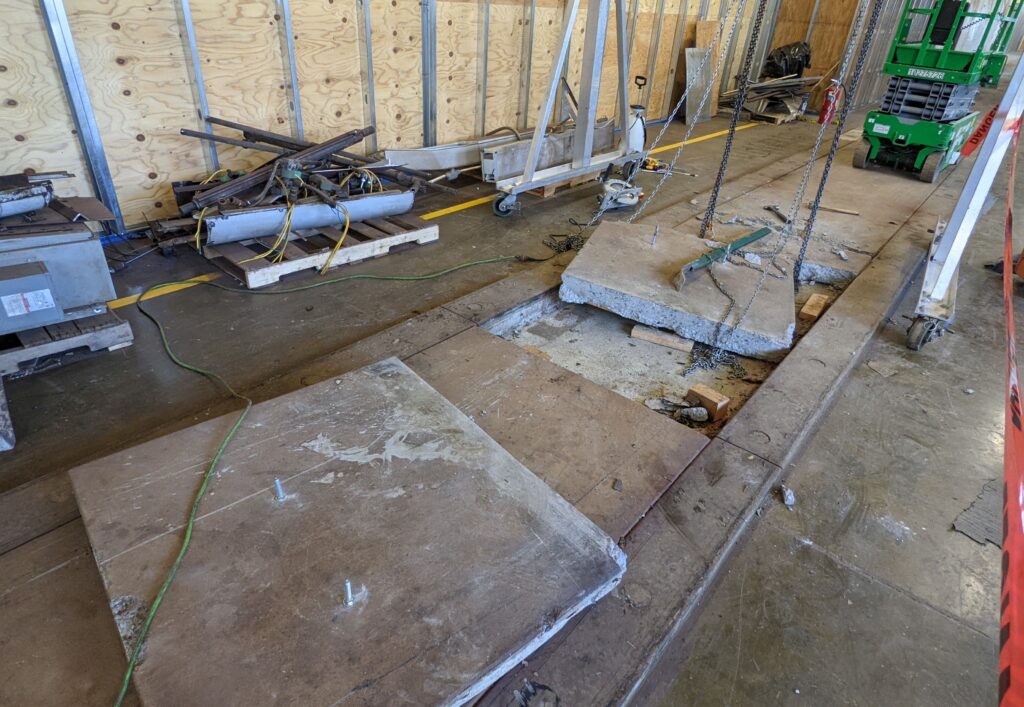
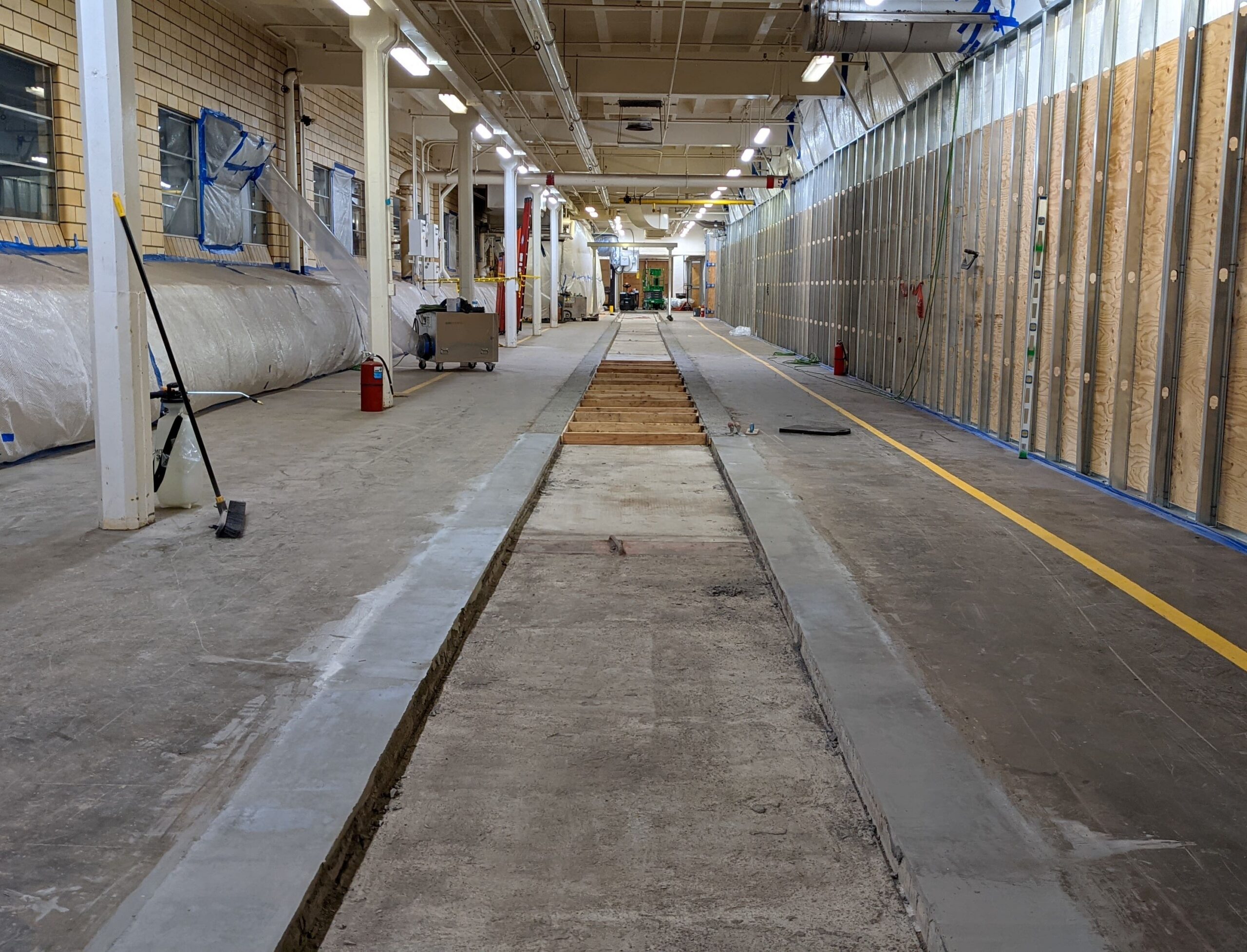
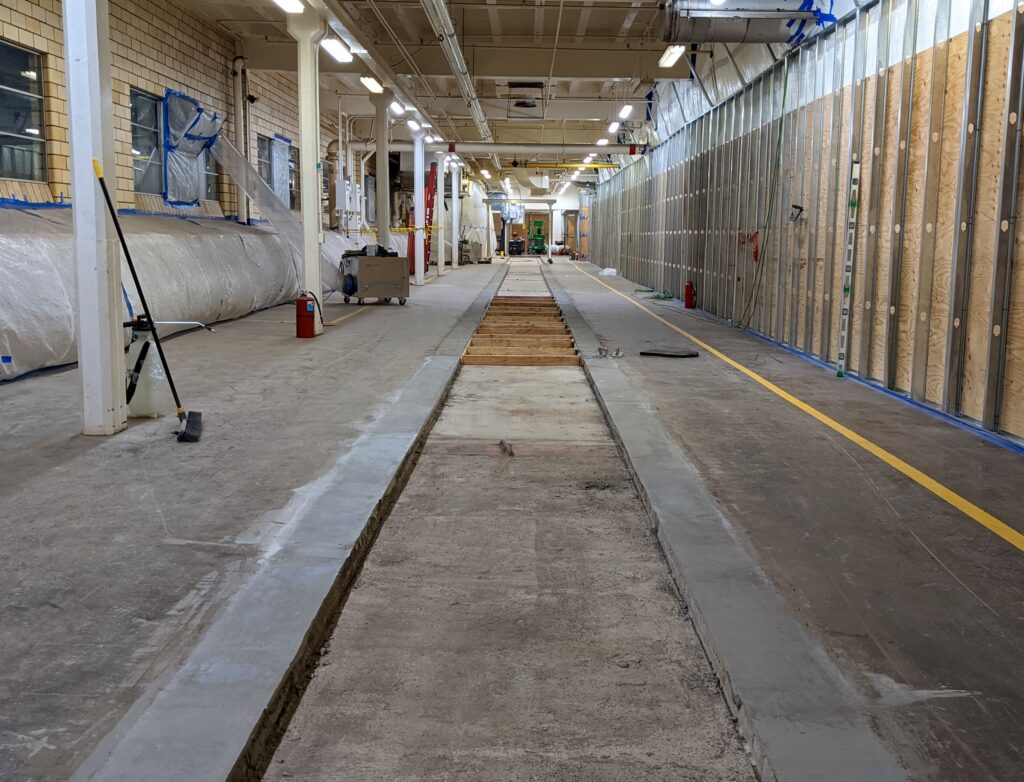
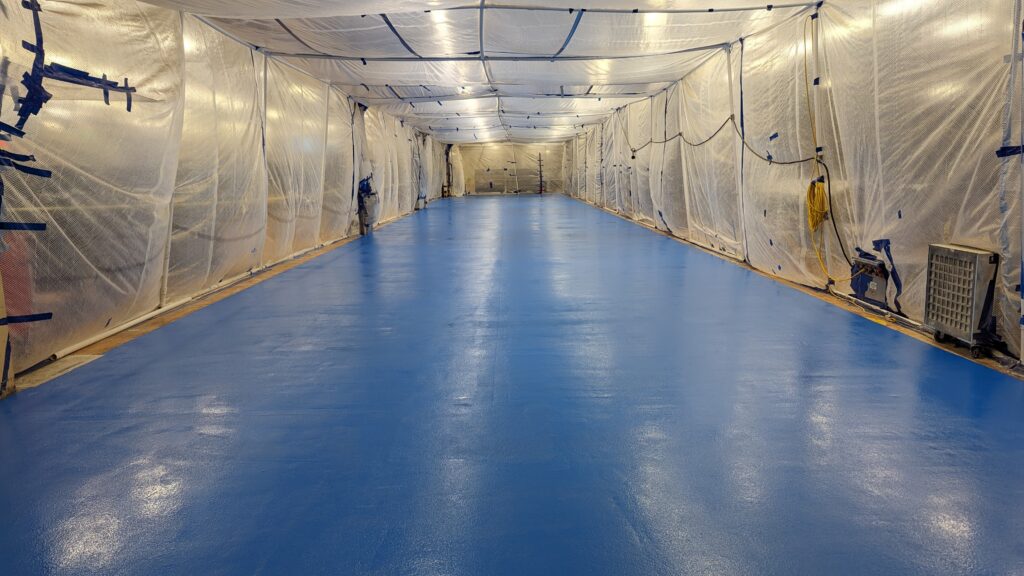
Demolition project mostly finished, with a clean floor and concrete laid down for new foundation

THE RESULTS

THE RESULTS

Demolition project mostly finished, with a clean floor and concrete laid down for new foundation

KEY TAKEAWAYS

This project demonstrates T&M’s capability to execute complex industrial decommissioning work within operating food manufacturing environments where contamination risk, regulatory compliance, and production continuity are non-negotiable. Our embedded service model and prior facility knowledge enabled proactive identification of asbestos risks, while integrated engineering and construction management delivered a safe, compliant outcome under aggressive timeline constraints.

Have a project in mind? Give us a call at (971) 459-1805 or schedule a free consultation below.
Construction during a capital project with heavy equipment on an active work site
January 30, 2026

Can My Industrial Construction Project Pay for Itself?

Can my industrial construction project pay for itself?

Capital projects are often framed as necessary expenses. New equipment, facility upgrades, or infrastructure improvements usually come with a large upfront price tag and long approval cycles. For many manufacturing leaders, the question is not just whether a project is needed, but whether it can deliver measurable financial return.

In some cases, the answer is yes. A well planned capital project can reduce operating costs, improve throughput, lower risk, and protect uptime in ways that generate real payback over time. The key is understanding what “paying for itself” actually means in an industrial environment and how to evaluate it realistically.

What Does "Pay For Itself" Really Mean?

In manufacturing, payback is rarely limited to direct revenue increases. While some projects clearly expand capacity or output, many deliver value in less obvious but equally important ways.

A capital project may pay for itself by:

  • Reducing safety incidents or compliance risk
  • Reducing unplanned downtime
  • Lowering maintenance and repair costs
  • Improving energy efficiency or utility usage
  • Protecting production continuity during peak demand
  • Extending the useful life of existing assets
  • Prepare for future capacity upgrades

These benefits do not always show up as new sales. Instead, they appear as avoided costs, stabilized operations, and reduced exposure to risk. Ignoring those factors can lead to undervaluing the true impact of a project.

The Difference Between Cost and Value

One of the most common mistakes in capital planning is focusing only on initial construction cost. Two projects with the same price tag can deliver very different outcomes depending on how they are designed and executed.

Consider two equipment replacement projects:

  • One minimizes installation time, integrates with existing systems, and allows production to continue during construction.
  • The other requires extended shutdowns, creates maintenance challenges, and introduces operational bottlenecks.

On paper, both may appear similar. In practice, the second project often costs far more over its lifecycle due to lost production, overtime labor, and corrective work.

True value comes from aligning design, construction, and operations early so that downstream impacts are understood and managed.

Where Capital Projects Generate Payback

Not every project produces the same type of return. Understanding where to look for payback helps set realistic expectations and build stronger justification.

Safety and Compliance Risk

Some projects are justified primarily by safety or regulatory needs. While they may not generate direct revenue, they protect your people and against incidents that carry high financial and operational consequences.

We know the primary consequences of a serious safety incident are experienced by the employees working near the site of the incident. Also, safety incidents also create:

  • Production stoppages
  • Regulatory penalties
  • Increased insurance costs
  • Damage to your brand and company reputation

Reducing this risk is a necessary form of return.

Operational Efficiency

Projects that simplify material flow, reduce manual handling, or eliminate process bottlenecks often generate steady returns. Small efficiency gains applied across multiple shifts and production lines can add up quickly.

Examples include:

  • Improved layouts that reduce product travel time
  • Automation that reduces rework or scrap
  • Process upgrades that improve consistency
  • New systems that increase changeover efficiency

These improvements often support payback through labor savings and higher throughput without increasing headcount.

Downtime Reduction

Unplanned downtime is one of the most expensive issues in manufacturing. Projects that improve reliability can pay for themselves by preventing even a few major disruptions.

This may involve:

  • Replacing aging infrastructure before failure
  • Upgrading utilities or support systems
  • Improving access for maintenance and inspections

Avoided downtime is difficult to quantify precisely, but its financial impact is often significant when evaluated honestly.

Energy and Resource Efficiency

Utility costs are a growing concern across many industries. Projects that reduce energy, water, or compressed air usage can deliver measurable savings year after year.

Common opportunities include:

  • Equipment upgrades with higher efficiency ratings
  • Process optimization that reduces waste
  • Improved controls and monitoring

These savings are often easier to track and forecast, making them valuable components of a payback analysis.

The Role of Planning in Payback Success

A capital project does not pay for itself by accident. Planning decisions made early in the process often determine whether projected benefits are realized or lost.

Key planning factors include:

  • Accurate assessment of existing conditions
  • Clear definition of operational constraints
  • Phasing strategies that protect production
  • Early involvement of operations and maintenance teams
  • Realistic scheduling and contingency planning

When these elements are overlooked, projects may still get built, but expected returns are often eroded by delays, rework, or operational disruptions.

Why Some Projects Fail to Deliver Expected Returns

Many capital projects are approved with optimistic assumptions that do not hold up during execution. Common issues include:

  • Underestimating installation complexity
  • Overlooking integration with existing systems
  • Assuming ideal operating conditions
  • Failing to account for learning curves and startup challenges

Without experienced oversight, these gaps can turn a promising investment into a long term burden. The result is a project that technically meets its scope but fails to deliver meaningful operational improvement.

Evaluating Payback with a Practical Lens

When evaluating whether a capital project can pay for itself, it helps to ask practical questions rather than relying solely on spreadsheet models.

Consider asking:

  • What operational problems does this project solve today?
  • What costs or risks does it eliminate?
  • How does it affect uptime during and after construction?
  • What assumptions must hold true for payback to occur?
  • What happens if those assumptions change?

Clear answers to these questions often reveal whether projected returns are realistic or overly optimistic.

Aligning Engineering and Operations

Projects that deliver strong returns typically share one trait. They are designed with a deep understanding of how the facility actually operates.

Engineering decisions that look good on paper can create challenges on the floor if operational realities are ignored. This is why alignment between engineering, construction, and operations is critical to achieving payback.

When teams work together early, projects are more likely to:

  • Fit existing workflows
  • Support maintenance needs
  • Minimize disruption during execution
  • Deliver usable improvements rather than theoretical ones

Final Thoughts

A capital project can pay for itself, but only when value is defined realistically and supported by thoughtful planning. Payback is rarely about a single metric. It is about the combined effect of safety, efficiency, reliability, and long term operational stability.

At T&M Design, we help manufacturing teams evaluate capital projects with a clear understanding of both cost and consequence. Our focus is not just on what gets built, but on how it performs within your operation over time.

If you are considering a capital investment and want clarity around its true return, we are here to help you plan with confidence and purpose. That is Engineering with Impact.

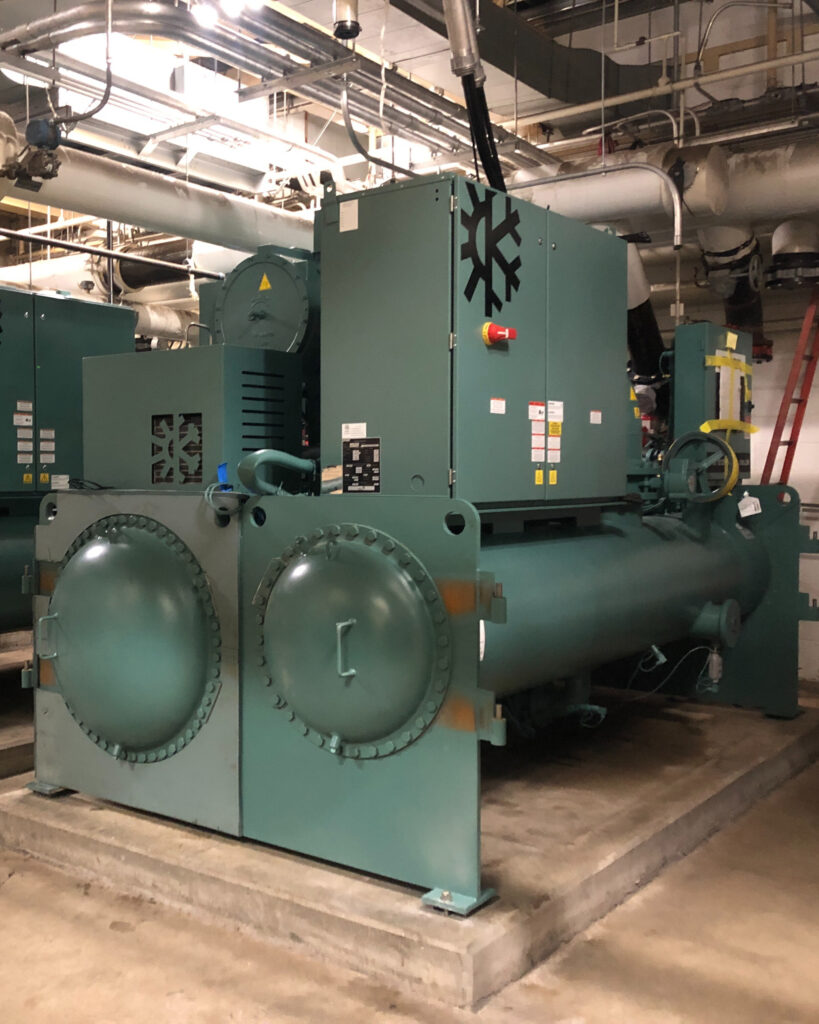
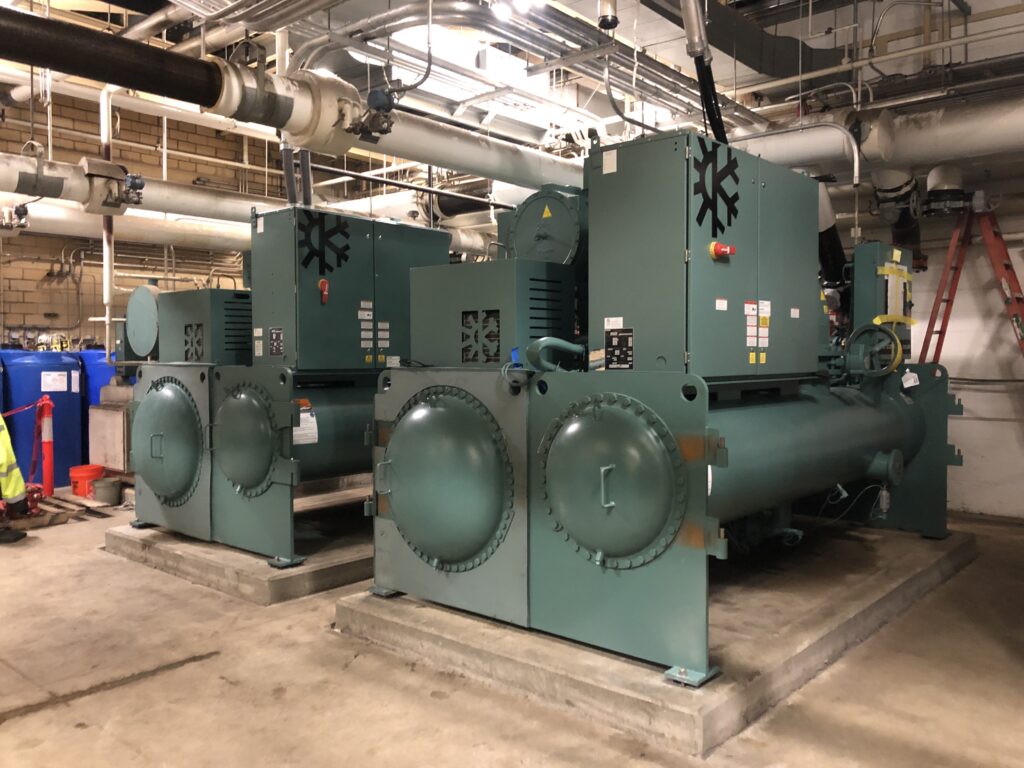
New chillers installed in an international baked goods food manufacturing facility
January 10, 2026

Chillers and Cooling Towers System Upgrade

Case Study

Chilled Water & Cooling Tower System Upgrade

CLIENT OVERVIEW

International baked goods manufacturer in Portland Metro Area with continuous production operations dependent on cooling tower and chilled water systems for process control and ambient air temperature management.

PROJECT SCOPE

T&M Design provided project management, construction management, and mechanical engineering services for a cooling tower and chilled water systems replacement at a 24/7 baked goods production facility. The systems support critical operations including ambient air cooling, product cooling between ovens and packaging, ingredient cooling and dehumidification, and equipment condenser cooling.

Systems Replaced:

  • Chillers
  • Cooling tower
  • Side stream and sand filters
  • Control systems
  • Associated pumps and valves

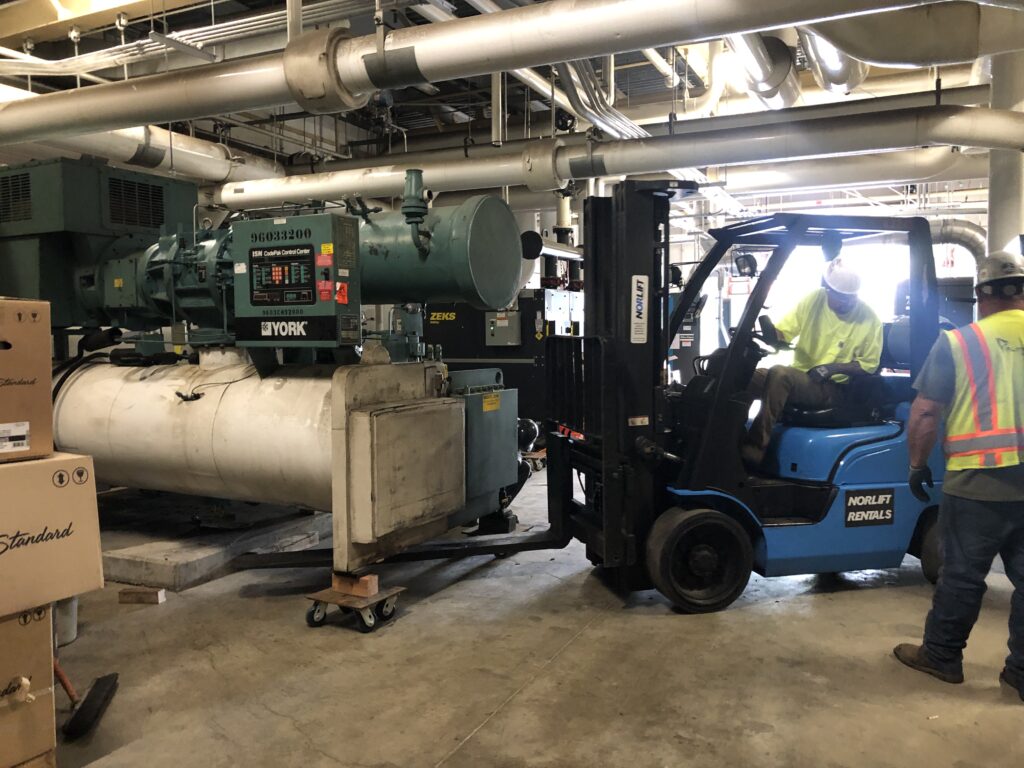
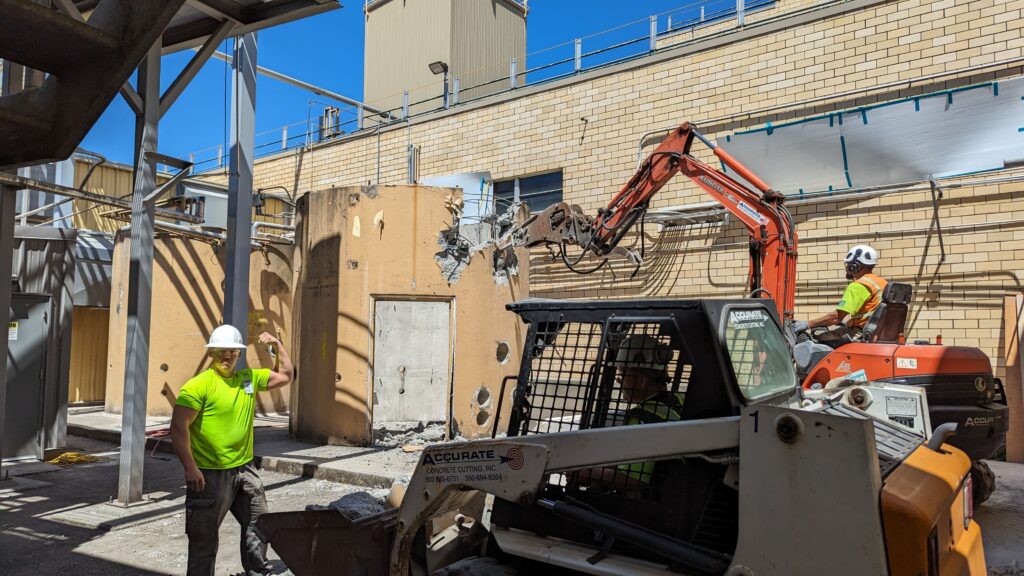
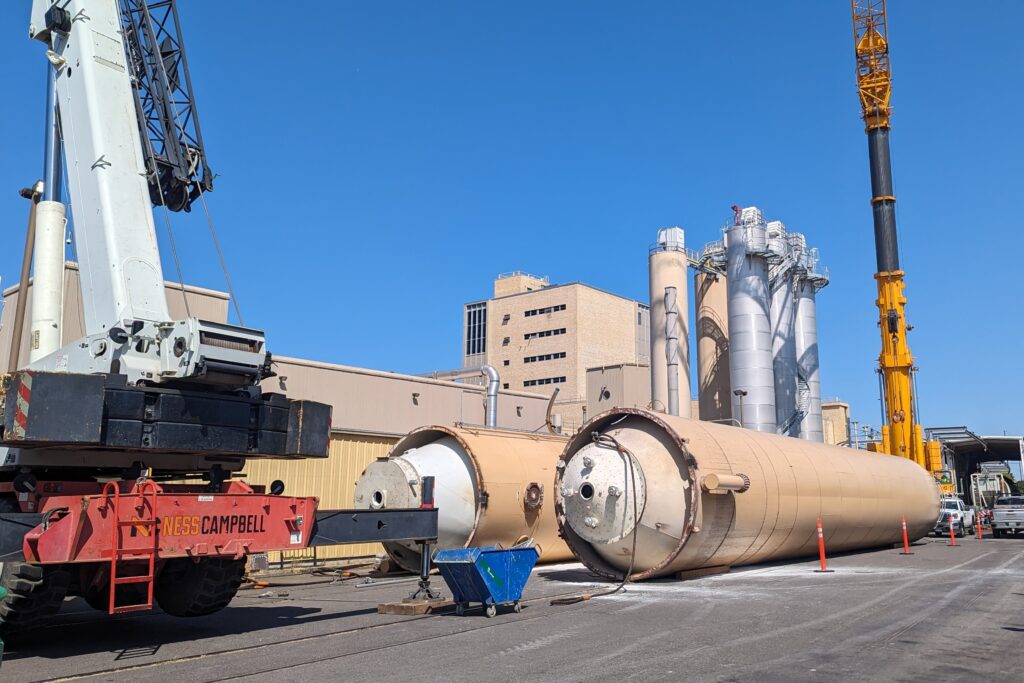
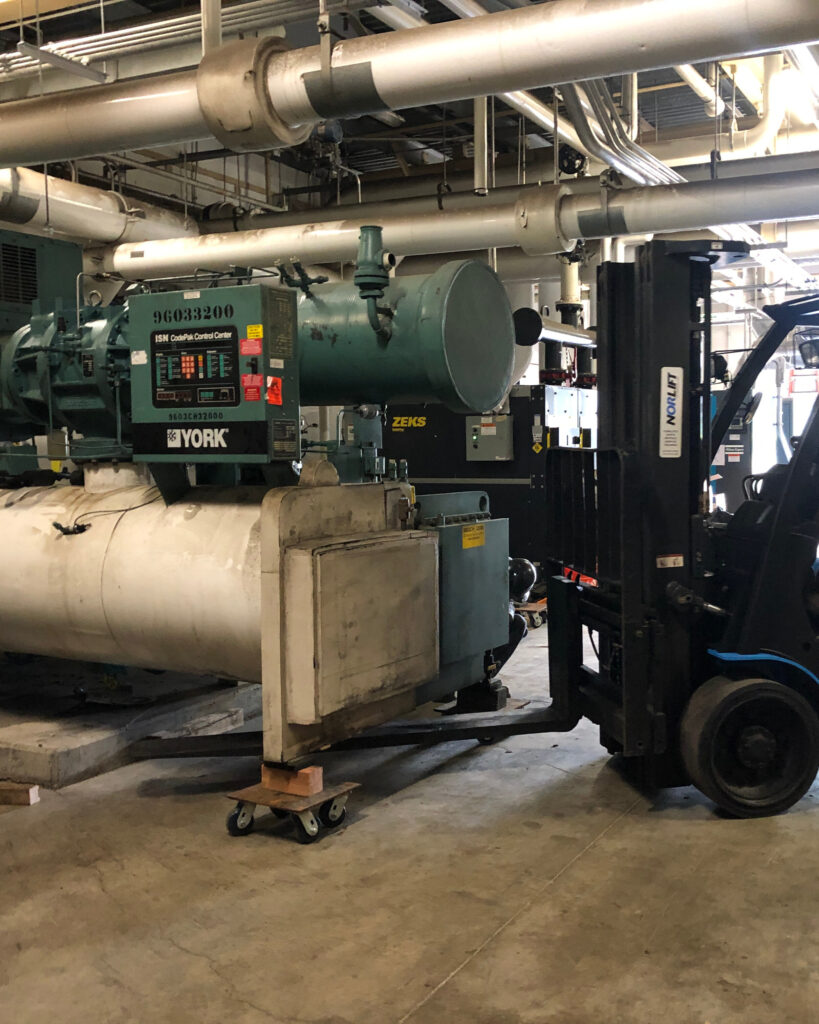
Old chiller unit under demolition at baked goods manufacturing facility

THE CHALLENGE

The facility’s aging central cooling infrastructure required replacement while maintaining continuous operations. Any system failure during summer peak production would result in significant operational losses. Additionally, the client needed to comply with company policy and the Montreal Protocol by eliminating all R22 refrigerant (ozone-depleting substance) from their systems.

Key Constraints:

  • Zero downtime tolerance in 24/7 operation
  • Year-round cooling demand, even in winter months
  • Complex phasing requirements across multiple interconnected systems

Chillers at an international baked goods facility under demolition

THE SOLUTION

T&M Design developed and executed a phased replacement strategy that maintained full operational capacity throughout the project:

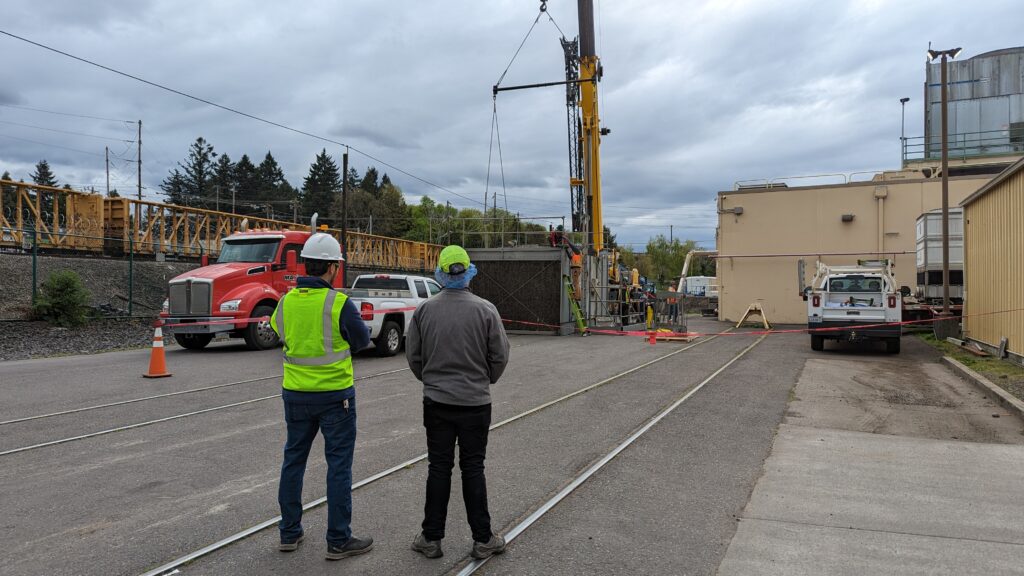
  1. Temporary Infrastructure: Installed permanent outdoor disconnects enabling temporary equipment — rental chillers, rental cooling tower, and rental air compressors. All systems designed with temporary tie-ins to provide complete system redundancy during service transitions. 
  2. Strategic Phasing: Coordinated replacement sequence — Control Systems → Pumps & Valves → Chillers → Cooling Tower — to minimize risk and maintain continuous cooling capacity.
  3. Integrated Management: Provided end-to-end project and construction management with mechanical and structural engineering consultation.

New chillers installed in an international baked goods food manufacturing facility
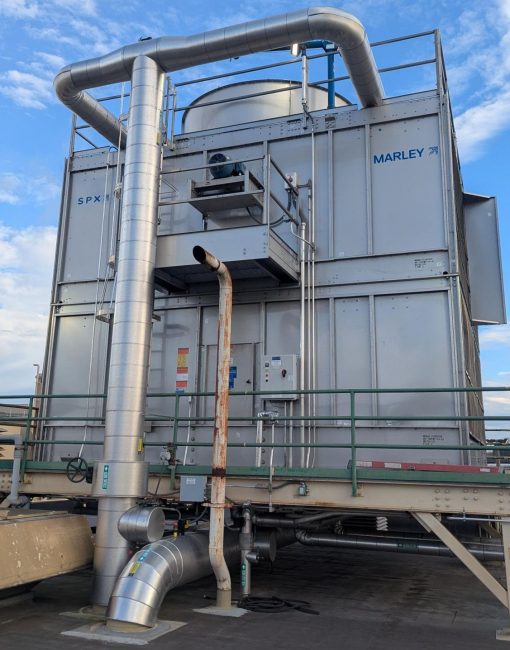
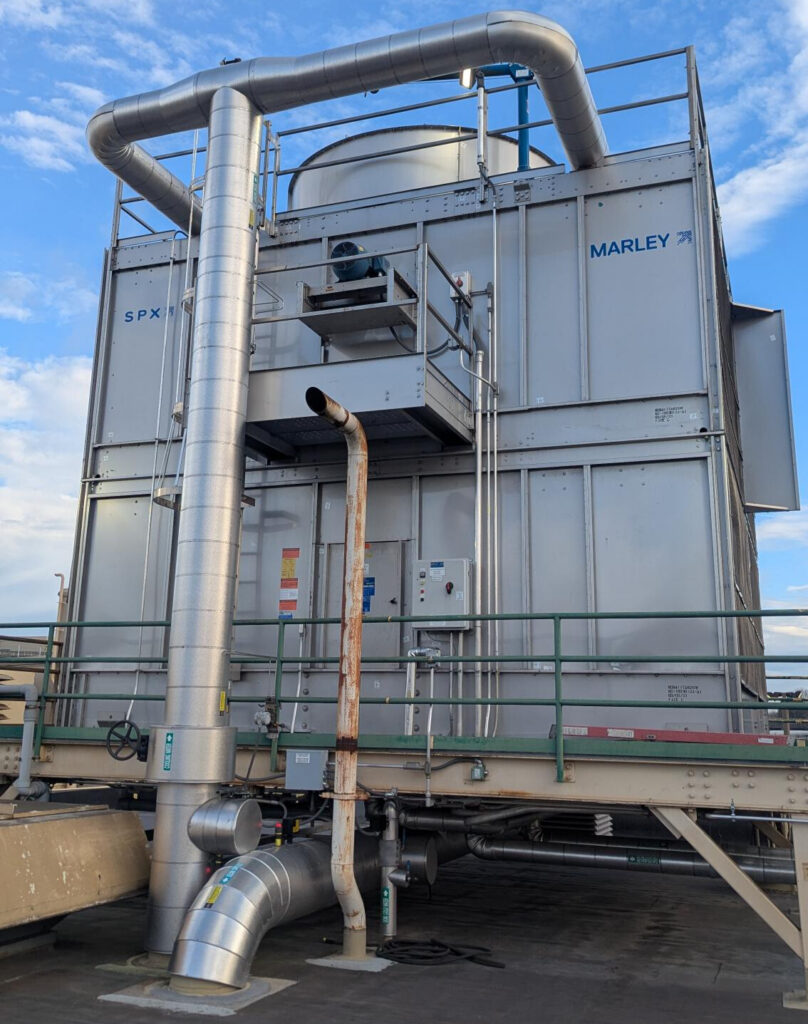
Cooling Tower Finshed (v2)

THE RESULTS

THE RESULTS

Finished cooling tower on a nice sunny day

KEY TAKEAWAYS

Critical infrastructure replacements in 24/7 facilities require strategic phasing and proactive risk management. T&M’s coordinated execution kept production running, maintained process specifications, and delivered the project on schedule and budget with zero operational losses.

Have a project in mind? Give us a call at (971) 459-1805 or schedule a free consultation below.
January 5, 2026

5 Things to Consider When Creating a Capital Project Budget in Industrial Manufacturing

Five Things to Consider When Creating a Capital Project Budget in Industrial Manufacturing

Capital projects rarely fail because of bad intentions. They fail because of bad assumptions.

In industrial manufacturing, where production uptime is revenue and downtime is measured in lost margin, capital project budgets must do more than account for construction costs. They need to reflect operational reality, anticipate hidden constraints, and protect the facility’s ability to keep running while the work gets done.

Too often, budgets are built around ideal conditions: perfect schedules, zero surprises, and frictionless execution. But real industrial environments don’t work that way. And the cost of getting it wrong extends far beyond the project itself.

At T&M Design, we help manufacturing leaders plan and execute capital projects that protect operations, safety, and budgets. Here are five critical factors every manufacturing leader should consider when building a capital project budget.

1. Scope Definition and Project Complexity

Unclear scope is the single biggest driver of budget overruns in industrial capital projects. When project boundaries are vague, expectations misaligned, or deliverables undefined, the result is predictable: scope creep, rework, and escalating costs.

Key Questions to Answer Early

  • What systems are included in the project?
  • What quality standards apply?
  • Where does the project end and existing infrastructure begin?
  • Which departments need to be involved, and when?
  • What deliverables clearly show the project is complete and on target with your expectations?

Without clear answers, teams make different assumptions, engineering produces incomplete designs, and field crews encounter surprises that should have been resolved months earlier.

Complexity vs. Size

Project complexity matters just as much as project size. A small retrofit in a congested area with live utilities and limited access windows can be far more challenging than a larger greenfield addition. Complexity shows up in:

  • Tight tolerances and intricate tie-ins
  • Custom fabrication requirements
  • Coordination across multiple production shifts
  • Congested work areas with limited access

These factors increase engineering hours, extend schedules, and demand more skilled labor, all of which affect cost. Early alignment between engineering, operations, and leadership is essential before detailed design begins.

2. Schedule and Timeline Constraints

Schedule pressure and cost are directly connected. Compressed timelines drive overtime, expedited material procurement, premium fabrication rates, and increased coordination overhead.

Understanding Real Schedule Constraints

In industrial facilities, schedule constraints are rarely optional:

  • Production outages have fixed windows
  • Seasonal demand cycles dictate when work can happen
  • Regulatory deadlines don’t move
  • Sequential dependencies require careful phasing

The Cost of Unrealistic Timelines

Rushed installations don’t just increase project cost. They create operational risk. Rushed work leads to incomplete testing, inadequate commissioning, and systems that underperform once they’re online. Quality suffers, and the facility pays for it long after construction ends.

A well-planned timeline accounts for production requirements, material lead times, and realistic installation sequences. It builds in float for inevitable delays: unplanned shutdowns, access conflicts, or discoveries during demolition.

3. Operational Impact and Downtime Costs

For most manufacturing facilities, downtime costs exceed construction costs. When production stops, the financial impact compounds quickly through lost throughput, idle labor, missed customer commitments, and startup inefficiencies.

Hidden Costs of Production Disruption

  • Reduced capacity means delayed shipments
  • Extended outages require inventory buildup or customer notifications
  • Startup inefficiencies, including material waste and lower yields, can persist for days or weeks
  • Training requirements for new equipment and systems

Planning for Commissioning and Startup

Training and commissioning are often underestimated. New equipment requires operator training. Control systems need tuning. Process parameters must be validated. These activities happen on the critical path between construction completion and full production resumption.

The best capital budgets account for operational continuity from day one by understanding which systems can be installed without disruption, how to stage work to avoid production conflicts, and when prefabrication can keep intrusive activities out of active areas.

4. Infrastructure, Permitting, and Compliance Requirements

Existing facilities come with constraints that greenfield projects don’t face. Aging infrastructure, undocumented utilities, limited electrical capacity, and structural limitations all create hidden scope that surfaces during design or construction.

Common Infrastructure Challenges

  • Demolition that uncovers asbestos abatement or structural repairs
  • Tie-ins requiring shutdowns and precision coordination
  • System upgrades needed to handle increased loads
  • Undocumented utilities discovered during excavation

Permitting and Regulatory Timelines

Permitting timelines are frequently underestimated, especially for projects involving:

  • Environmental compliance
  • Building code modifications
  • Regulatory approvals that can take weeks or months

Missing a permit deadline can stall construction, idle crews, and add holding costs that weren’t planned for.

Safety and Compliance Costs

Confined space entry, hot work permits, lockout/tagout coordination, and environmental controls all require planning, documentation, and sometimes additional labor or equipment. These aren’t optional line items. Understanding infrastructure constraints early through site surveys, utility mapping, and structural assessments allows you to budget realistically.

5. Procurement Strategy, Indirect Costs, and Contingency

Equipment lead times have become a critical planning factor. Long-lead items like motors, drives, custom fabrications, and control systems can stretch procurement timelines by months. A procurement strategy that identifies critical path items early protects both schedule and budget.

Don’t Overlook Indirect Costs

Indirect costs are easy to overlook but essential to account for:

  • Engineering hours and construction management
  • Site supervision and travel
  • Testing and commissioning services
  • Professional consultants and specialized services

Facilities that shortchange engineering or project management to save money often pay far more in rework, delays, and suboptimal outcomes.

Strategic Use of Contingency

Upfront engineering reduces contingency needs. When designs are complete and coordination issues resolved before construction starts, there are fewer unknowns to plan for.

Contingency Guidelines:

  • Well-defined projects with complete engineering: 10-15%
  • Conceptual-level projects with infrastructure unknowns: 20-30%

Contingency should be treated as a risk management tool, not padding. The appropriate level depends on project complexity, site conditions, and how much design work has been completed.

Protecting Operations, People, and ROI

Strong capital project budgets protect operations, people, and return on investment. They account for the full cost of executing work in live industrial environments, not just the cost of installing equipment.

The best budgets start with clear scope, realistic schedules, and early engineering involvement. They account for downtime costs, infrastructure constraints, and compliance requirements. They treat procurement, indirect costs, and contingency as strategic elements, not afterthoughts.

At T&M Design, we work with manufacturing leaders to plan capital projects that deliver results without compromising operations, safety, or budgets. Our embedded support model brings engineering, construction management, and real-world industrial experience to every phase of the project.

That’s what we mean by Engineering with Impact.